Overview of FPS Games
First-person shooter (FPS) games have become a cornerstone of the gaming industry, characterized by a focus on gunplay and immersive gameplay from the player’s perspective. Players navigate through detailed environments, engaging in combat against either computer-controlled enemies or other players. The genre has undergone significant evolution since its inception, with advancements in graphics, gameplay mechanics, and narrative depth shaping the titles we see in 2026. Popular themes often revolve around military conflicts, sci-fi scenarios, or fantasy realms, with gameplay mechanics that include shooting, strategic movement, and tactical team play.
Characteristics of FPS Games
FPS games are defined by several key characteristics:
- Perspective: Players experience the game through the eyes of the protagonist, providing a first-person view.
- Combat Focus: The primary gameplay revolves around shooting mechanics, where precision and reflexes play crucial roles.
- Multiplayer Modes: Many FPS titles feature competitive or cooperative gameplay, allowing players to team up or battle against each other.
- Realistic Environments: Levels are often designed to mimic real-world locations or imaginative landscapes, enhancing immersion.
Trends in Free-to-Play FPS Games: Best Free To Play FPS Games 2026
The free-to-play model has transformed the gaming landscape, particularly in the FPS genre. In 2026, various trends are emerging, shaping how players engage with these games and how developers monetize them.
Trends Shaping Free-to-Play FPS Games
Several trends are influencing the development of free-to-play FPS games:
- Increased Accessibility: Players can jump into popular FPS titles without any financial barriers, making the genre more inclusive.
- Seasonal Content: Developers are releasing regular updates and seasonal events to keep the player base engaged.
- Cross-Platform Play: Many games now support play across different devices, expanding the player pool and enhancing matchmaking.
Business Models in Free-to-Play FPS Games
The business models prevalent in free-to-play FPS games include:
- Cosmetic Microtransactions: Players can purchase skins, emotes, or other cosmetic items that do not affect gameplay.
- Battle Pass Systems: Players can buy a seasonal pass to unlock exclusive rewards based on their in-game performance.
- Limited-Time Events: Special events that offer unique rewards to incentivize play during specific periods.
Impact of Microtransactions on Gameplay Experience
Microtransactions have a dual impact on the gameplay experience:
While they provide revenue for developers and keep games free, excessive monetization can lead to frustration among players who feel pressured to spend money to compete.
Top Free-to-Play FPS Games of 2026
In 2026, free-to-play FPS games offer a plethora of choices for gamers. Here are some of the best titles currently available, categorized by their gameplay style.
Battle Royale Games
- BattleZone: Set in a post-apocalyptic world, players engage in 100-player battles with unique vehicles and weapons.
- WarZone X: A fast-paced battle royale that incorporates advanced movement mechanics and environmental hazards.
Team-Based Titles
- Squad Tactics: This game emphasizes teamwork, requiring players to strategize and communicate to accomplish objectives.
- Strike Force: A mix of tactical gameplay and character classes, each with unique abilities that promote collaborative play.
Hero Shooter Games
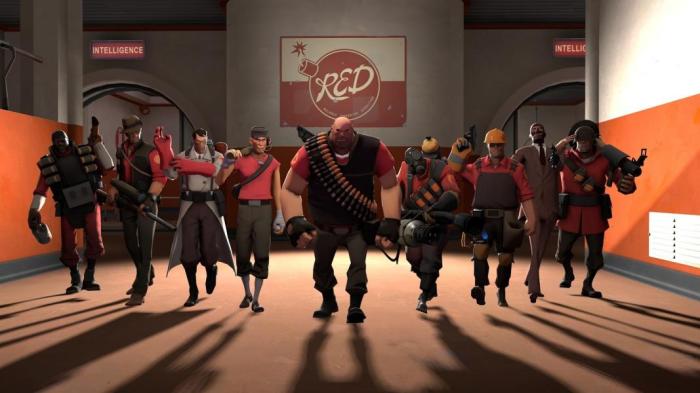
- Hero Clash: Players select from a roster of unique characters, each with their own skills and backstory, enhancing tactical gameplay.
- Elite Agents: A focus on character progression and lore, players can customize agents with various gear and abilities.
Gameplay Mechanics and Features
Core gameplay mechanics and features are essential in defining the experience of free-to-play FPS games.
Core Gameplay Mechanics
Key mechanics include:
- Gunplay: Fluid shooting mechanics that reward precision and reflexes.
- Movement Systems: Diverse movement options such as sprinting, sliding, and climbing enhance mobility.
- Equipment Management: Players must strategically choose weapons and gadgets to fit their play style.
Weapon Customization Options
Weapon customization plays a critical role in player satisfaction:
- Attachments: Players can modify guns with scopes, grips, and silencers to enhance performance.
- Skins and Designs: Many games offer aesthetic options that allow players to personalize their weapons visually.
Importance of Map Design
Maps are designed with various elements that enhance player experience:
Well-crafted maps provide strategic points for cover, opportunities for ambushes, and facilitate diverse gameplay styles.
Community and Multiplayer Aspects
Community engagement is crucial in free-to-play FPS games, fostering a sense of belonging among players.
Role of Community Engagement
Community engagement can take many forms:
- Player Forums: Platforms for players to discuss strategies, share experiences, and report bugs.
- Social Media Interaction: Developers often use social media to connect with the player base, sharing updates and responding to feedback.
In-Game Events for Community Participation
Many games host in-game events to encourage player participation:
- Seasonal Challenges: Players complete challenges during specific seasons to earn unique rewards and experience.
- Community Tournaments: Competitive events that allow players to showcase their skills and earn prizes.
Future of Free-to-Play FPS Games
Looking ahead, the future of free-to-play FPS games appears promising with several trends gaining traction.
Emerging Technologies Impacting FPS Gameplay, Best free to play FPS games 2026
Emerging technologies that can influence FPS gameplay include:
- Virtual Reality (VR): VR offers immersive experiences that completely transform how players interact with FPS games.
- Artificial Intelligence (AI): AI can enhance enemy behavior, making single-player content more challenging and engaging.
Potential Changes in Player Demographics
As gaming becomes more mainstream, player demographics are also shifting:
- Diversity in Age Groups: More older gamers are entering the FPS scene, leading to varied play styles and preferences.
- Increased Female Participation: The rise in female gamers is reshaping community dynamics and game design.
Recommendations for New Players
For newcomers to the world of free-to-play FPS games, getting started can be daunting. Here are some tips to ease the transition.
Guide for New Players
To help new players, consider these recommendations:
- Choose the Right Game: Select a title that aligns with your interests, whether it’s fast-paced action or strategic teamwork.
- Engage with Tutorials: Many games offer tutorials or training modes to help familiarize new players with mechanics.
- Join a Community: Engage with forums or social media to connect with other players and share tips.
Strategies for Improving Skills
Improving in FPS games requires practice and strategy:
- Practice Regularly: Consistent play helps develop muscle memory and reflexes.
- Watch and Learn: Observing skilled players through streams or videos can provide insights into advanced techniques.
Comparison with Paid FPS Titles
The gaming experience in free-to-play FPS games differs significantly from that of paid titles, each offering unique advantages and disadvantages.
Gaming Experience Comparison
When comparing the two models, consider:
- Access: Free-to-play games provide immediate access without financial barriers, while paid titles often come with upfront costs.
- Content Depth: Paid games may offer richer narratives and more content overall compared to their free counterparts.
- Community Size: Free-to-play models often attract larger player bases due to their accessibility.
Accessibility of Free-to-Play Models
Accessibility remains one of the strongest points for free-to-play FPS games:
The absence of an entry cost allows more players to join the community, fostering a diverse gaming environment.
In-Game Economy and Rewards
Understanding the in-game economy is essential for maximizing the enjoyment of free-to-play FPS games.
Function of the In-Game Economy
The in-game economy typically revolves around:
- Currency Systems: Players earn and spend currency to purchase items, upgrades, or cosmetic features.
- Reward Structures: Systems designed to encourage play, offering rewards for both participation and achievement.
Types of Rewards and Their Impact
Players can earn various rewards through gameplay:
- Cosmetic Rewards: Skins and personalization options that enhance visual appeal without affecting gameplay balance.
- Functional Upgrades: Items or perks that improve performance and gameplay experience.
Effective Reward Systems
Several games have implemented successful reward systems:
- Battle Pass Rewards: Seasonal battle passes that offer exclusive items as players progress through tiers.
- Login Bonuses: Daily or weekly rewards for consistent play that keep players returning.